Curiosity at a bunker doorway
The bunker doors and concrete openings make us curious about how the Międzyrzecz defences worked. We would choose a guided underground route rather than enter surface openings ourselves, leaving time for the outdoor museum displays as well.
German defences built in the 1930s
Work on the German defences began in 1934 with water barriers and smaller shelters. Construction of the larger fortified front followed in 1936. Its central section linked fighting structures to deep tunnels, underground accommodation and service spaces.
Construction was curtailed in 1938 and stopped in 1939. The tunnels later housed wartime industrial work using forced labour. Soviet troops broke through the defences in January 1945. At Pniewo, part of the surviving system is now interpreted through guided museum visits.
Start with the surface displays
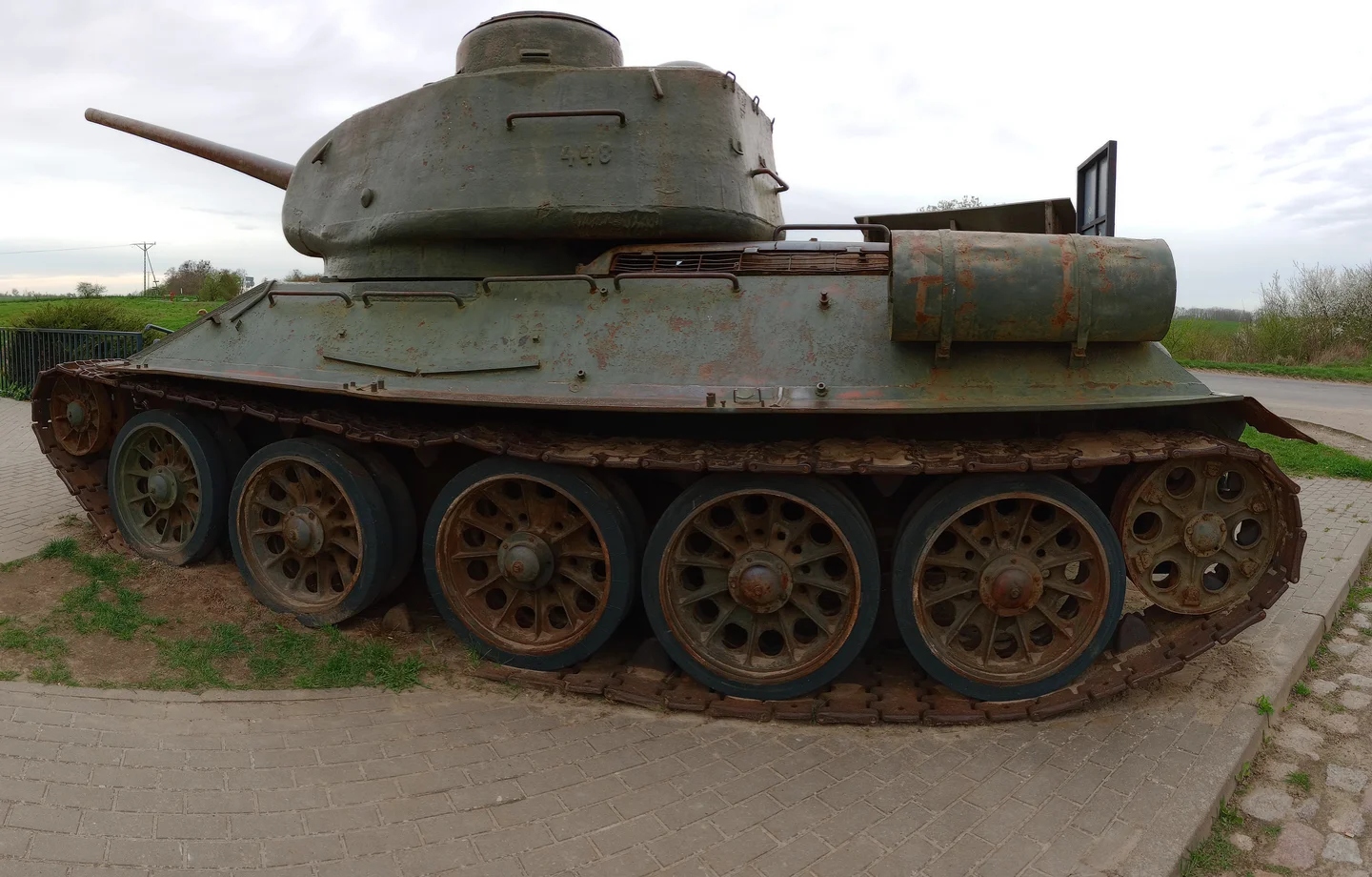
Our photographs show reinforced doors, concrete openings and the tank displayed on the museum grounds. They make us curious about the spaces below, but they document the surface visit rather than an underground journey.
A guided tour is the way to follow that curiosity. Leave time afterwards to compare the entrance structures with the explanations given below ground; a doorway makes more sense once its place in the system is clear.
Plan the visit
Choose a current museum route and check booking arrangements. The operator describes stairs and a cool underground temperature of about 10°C, and recommends warm clothing and suitable footwear. Seasonal bat protection can change available routes. Follow the guide and do not enter uncontrolled openings around the surface remains.
- Check the route’s stairs and duration before booking.
- Bring a warm layer for the underground temperature.
Planning sources
Visitor conditions and schedules can change. Check these official sources before travelling.
- Międzyrzecz Fortified Region museum: history
- Museum: conditions for underground visits
- Museum: long route and seasonal arrangements
Source links checked September 30, 2026.